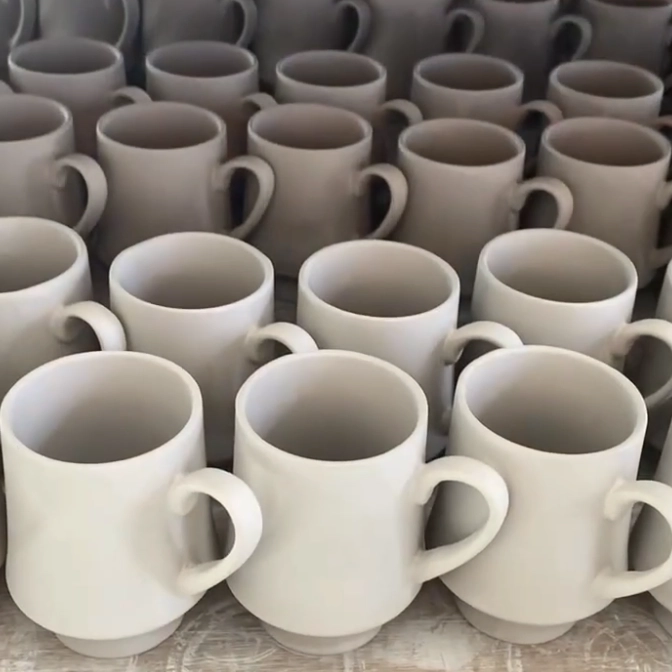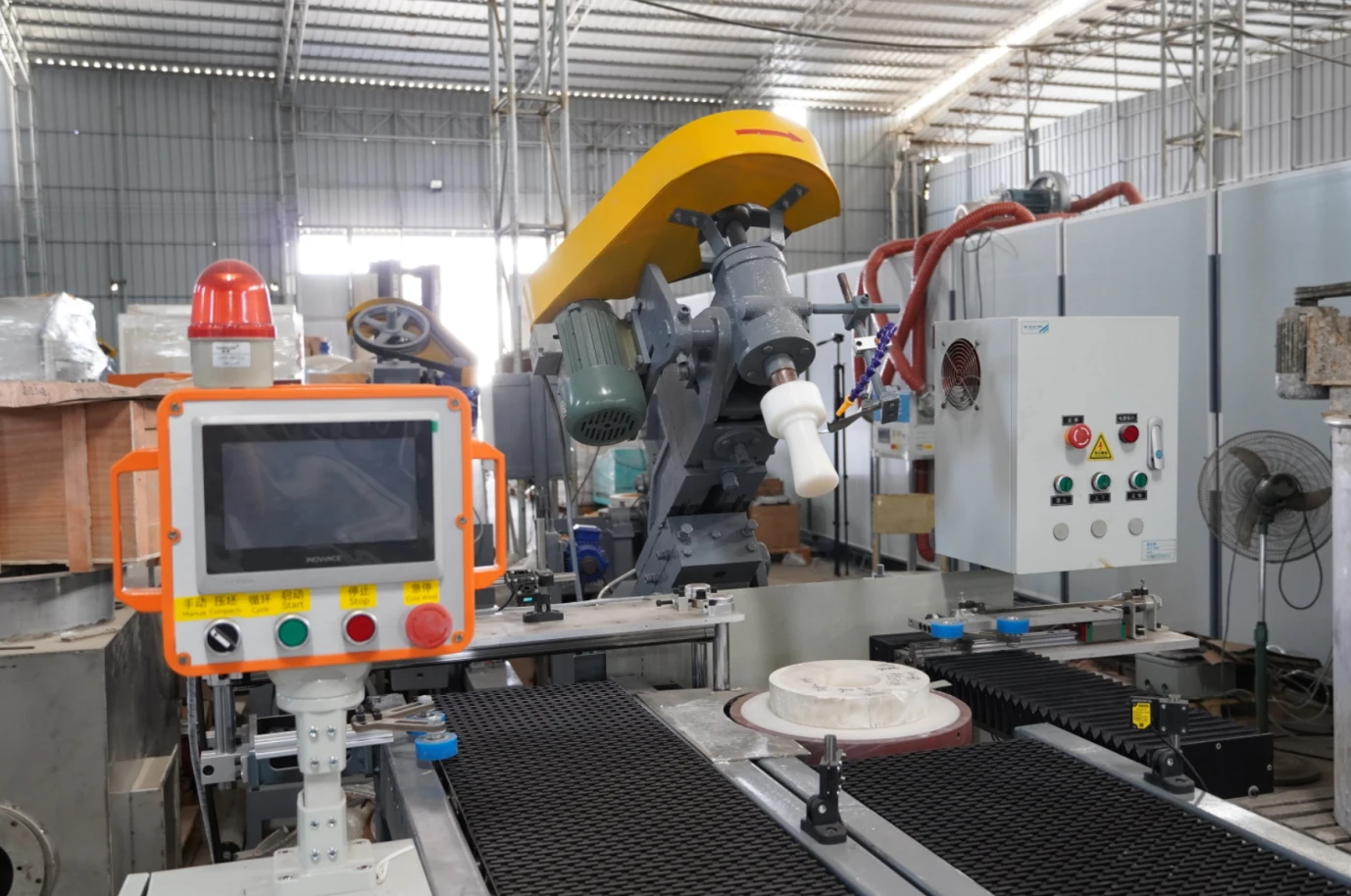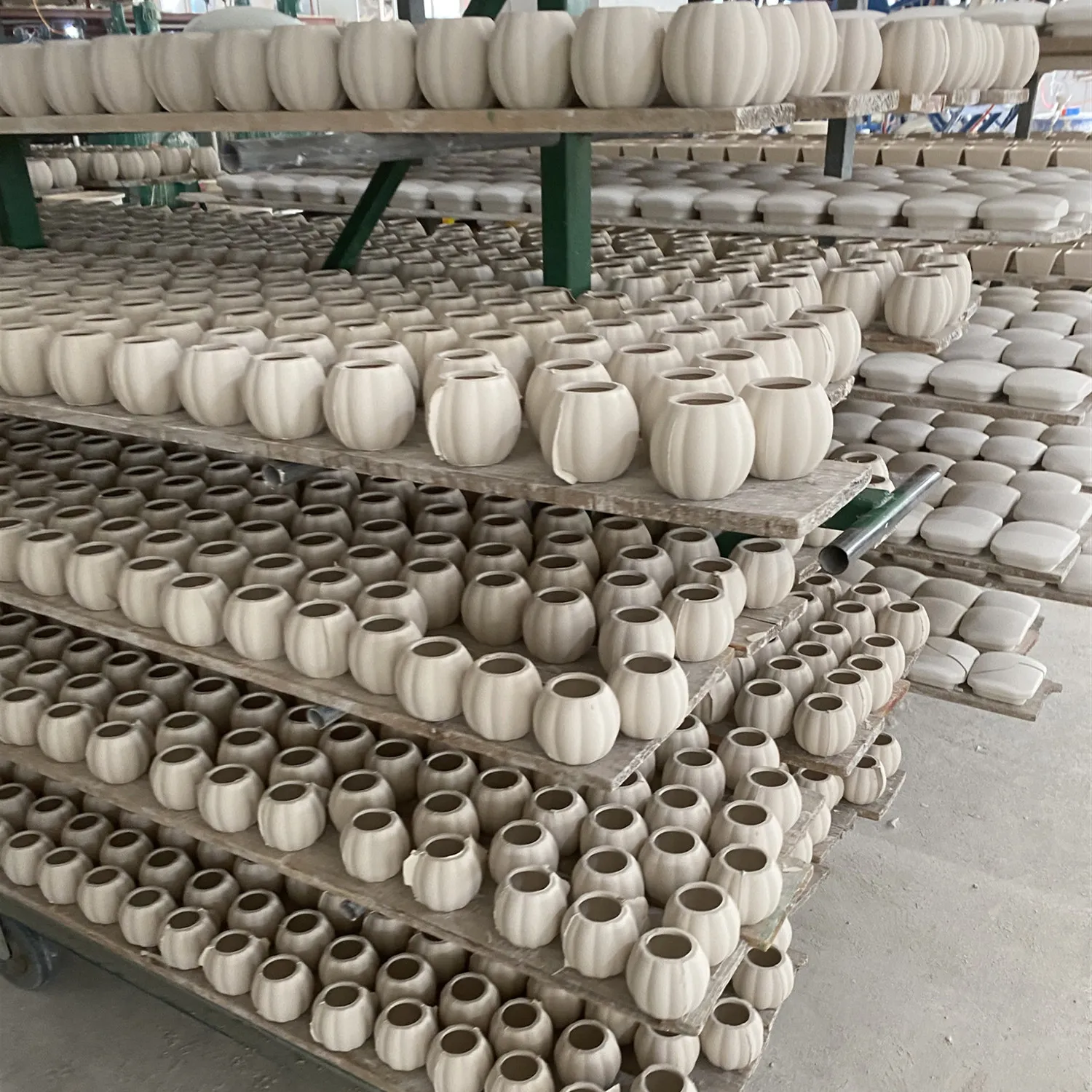
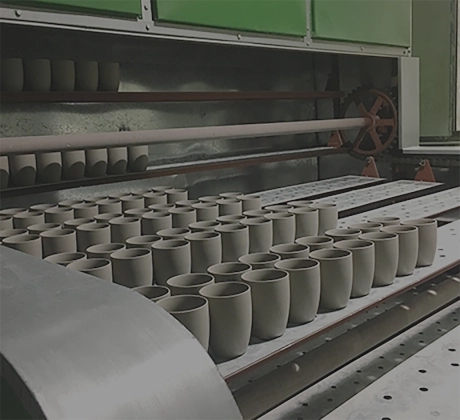
Ceramic biscuit quality is a crucial element in determining the final product’s success. Fluctuations in biscuit quality can cause cracking, warping, density nonuniformity, and other surface defects, which influence firing and lead to waste. These problems not only increase production time but also affect operational efficiency. Professional ceramic machinery manufacturer Yutai Machinery will analyze the common mechanical causes of unstable ceramic biscuit quality and offer solutions to improve biscuit stability and production efficiency with our advanced equipment and tailored services.
Common Signs of Unstable Ceramic Biscuit Quality

Unstable biscuit quality usually manifests in the following ways:
- Cracks or fractures: Biscuit may crack during forming or drying, resulting in fragile or defective products after firing.
- Uneven density: Variations in biscuit density can lead to inconsistencies in size and weight after firing.
- Deformation or warping: Biscuits may warp during demolding or drying, affecting final dimensions.
- Surface defects: Pinholes, air bubbles, or rough surfaces can affect glaze uniformity and decorative quality.
Addressing these issues early in production is crucial to minimizing material waste and improving overall yield.
Common Mechanical Causes of Unstable Ceramic Biscuit Quality
Mechanical equipment plays a pivotal role in biscuit stability. The main causes can be categorized as follows:
Raw Material Preparation Equipment
The foundation of stable biscuits lies in proper raw material preparation. Common issues include:
- Uneven particle distribution: Inadequate mixing or kneading leads to uneven particle sizes, affecting density.
- Insufficient degassing: Residual air in the clay body can cause internal pores and cracks.
- Overprocessing: Excessive kneading or degassing may compromise the clay structure, impacting formability.
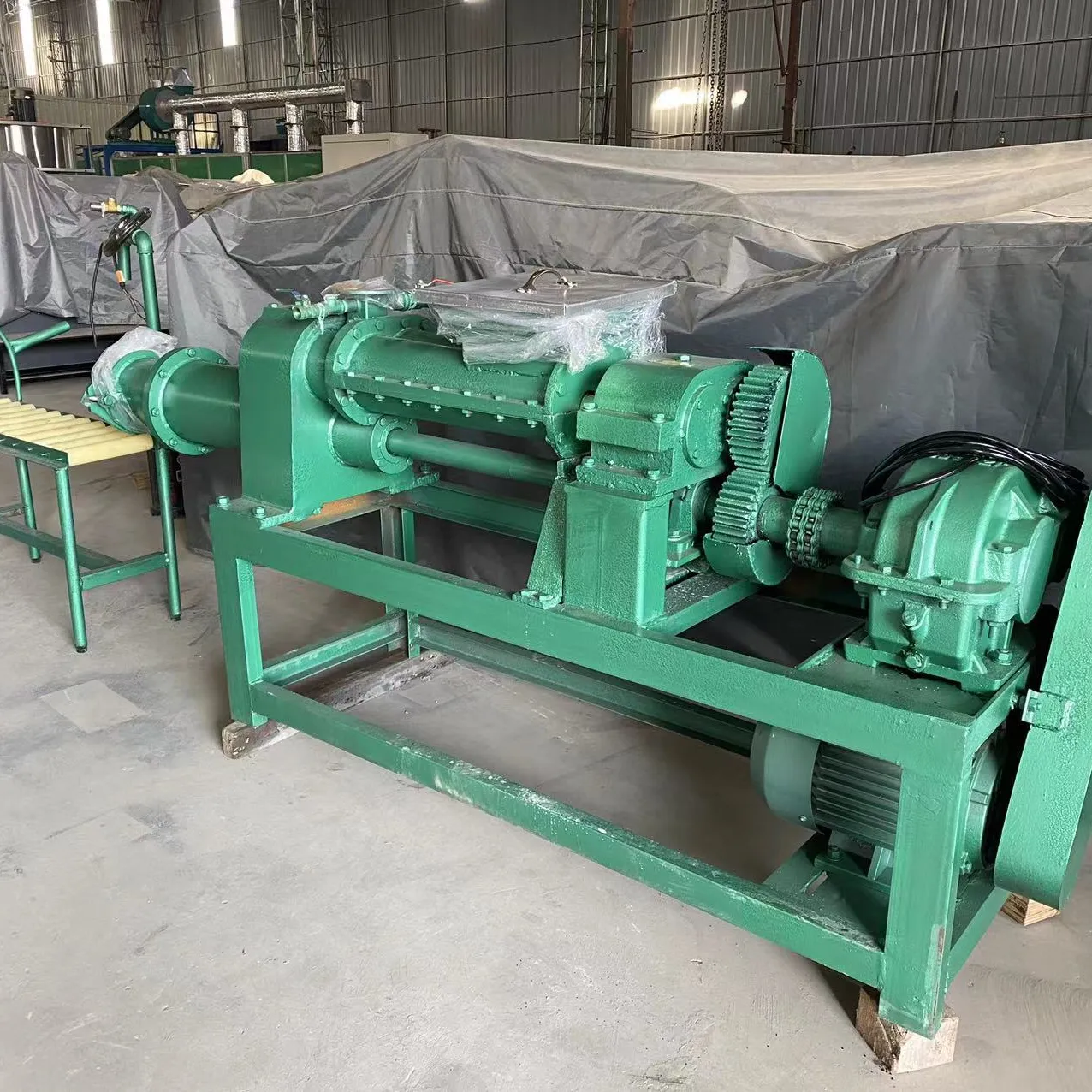
Yutai Machinery Solution: 雄大の high-efficiency vacuum clay kneaders ensure uniform mixing and thorough degassing, eliminating trapped air and providing a solid foundation for stable biscuit forming.

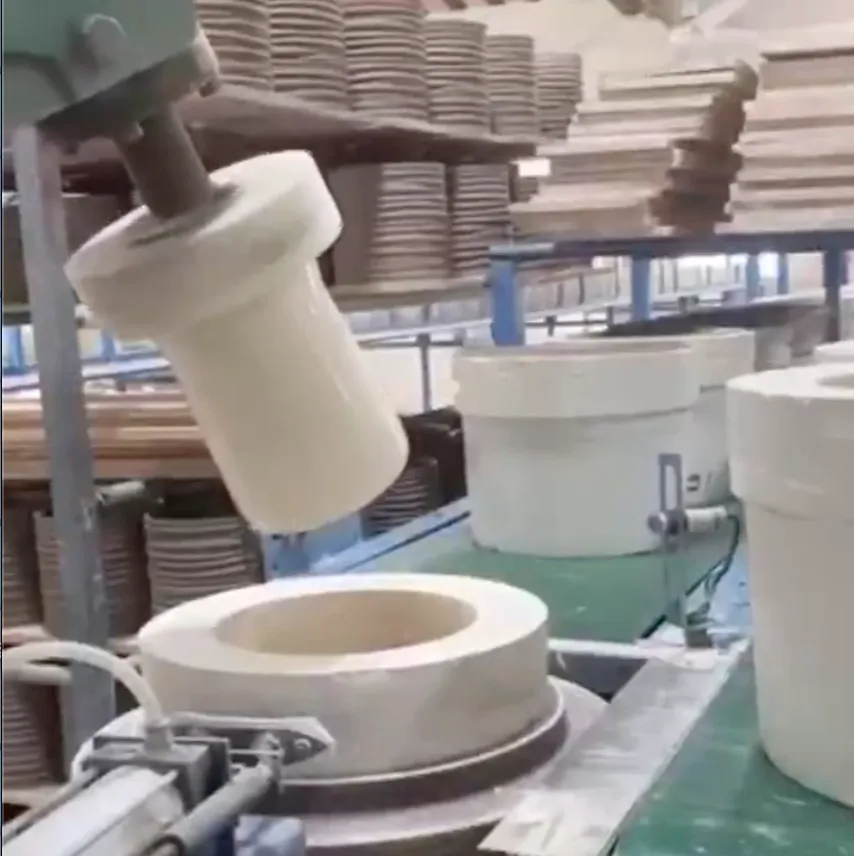
セラミック成形機
The forming stage directly impacts biscuit shape, density, and size. Common equipment issues include:
- Unstable pressure: Fluctuating pressure in hydraulic または isostatic presses causes uneven biscuit density.
- Worn or imprecise molds: Low-precision molds lead to dimensional deviations and surface defects.
- Improper demolding: Too fast demolding or excessive friction can warp or crack biscuits.
Our Solution: Yutai’s precision ceramic forming machines feature controllable pressure systems and customizable mold pressure profiles, ensuring uniform density, consistent dimensions, and minimized forming defects.
Automated Ceramic Production Line Issues
While automated ceramic lines improve efficiency, poor parameter calibration or uncoordinated workflows can affect biscuit quality:
- Fluctuating injection or forming speed: Variations can cause inconsistent thickness, increasing the cracking risk.
- Misaligned feeding or demolding: Improper timing may lead to warping or edge deformation.
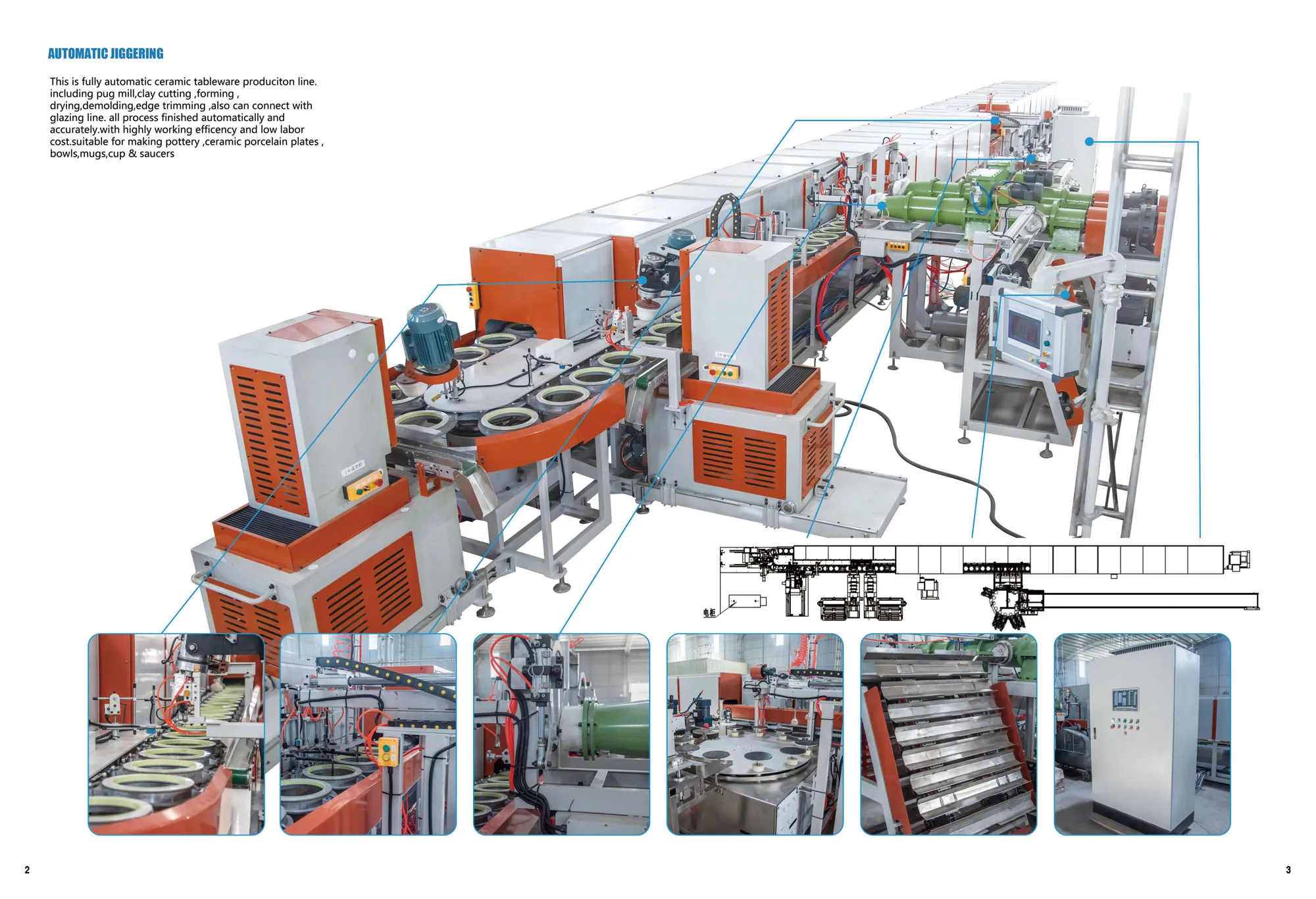
Yutai’s Solution: Yutai provides fully integrated automated injection and forming lines that synchronize all processes, ensuring consistent, stable biscuits for different product specifications and production speeds.
Control System and Parameter Settings
Many factories rely heavily on manual operation, causing inconsistencies in critical parameters:
- Incorrect PLC or control settings: Pressure, time, or speed may not be optimized, affecting forming results.
- Lack of real-time monitoring: Abnormal conditions may go unnoticed until defects occur.
Yutai Machinery Solution: 雄大の intelligent control systems monitor forming pressure, injection time, temperature, and other critical parameters in real time. Historical data analysis optimizes production settings, reducing human error and maintaining biscuit stability.

Solutions and Improvement Measures
To address the mechanical causes of unstable biscuits, factories can implement the following measures:
Optimize Raw Material Preparation
- 用途 Yutai high-efficiency vacuum kneaders for uniform mixing and complete degassing.
- Regular maintenance ensures consistent clay quality.
Employ Precision Forming Equipment
- Install the Yutai automated ceramic forming machine for stable pressure control.
- Customize molds according to product specifications to maintain dimensional accuracy and surface quality.
Integrate Automated Production Lines
- Utilize Yutai automated injection and forming lines to synchronize processes.
- Adjust production rhythm and pressure curves to match various ceramic products, reducing cracking rates.
Implement Intelligent Monitoring
- Deploy PLC-based real-time monitoring systems to keep key parameters within optimal ranges.
- Use historical data for continuous process optimization, ensuring consistent biscuit quality.

Case Study
A daily-use ceramic factory upgraded its old manual injection and hydraulic press systems to 雄泰セラミックマシン, along with automated injection lines and PLC control systems. Post-upgrade results included:
- 50% reduction in biscuit cracking rate
- 30% increase in production efficiency
- Significant improvement in surface quality and reduced material waste
This case demonstrates the impact of advanced mechanical solutions on ceramic biscuit quality and production optimization.
結論
Stable ceramic biscuit quality is a core metric for ceramic production, and mechanical equipment plays a central role. The use of high-performance equipment, improved forming processes, and integration of automation and intelligent control technology enable factories to enhance biscuit quality, reduce scrap rates, and increase output.
If you want to improve biscuit stability and production efficiency, ユタイ offers fully customized ceramic machine solutions covering the entire process—from raw material preparation to forming and automation. お問い合わせ to get a tailored production line plan and technical support.