
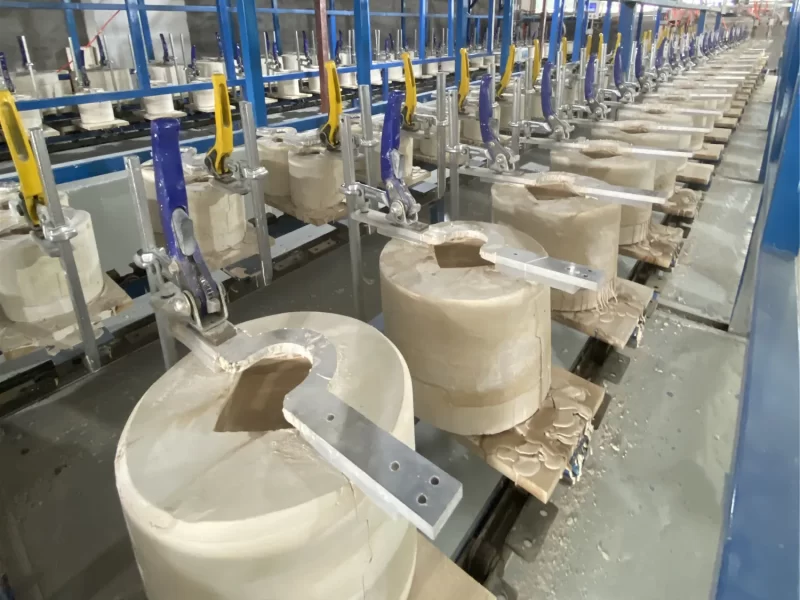
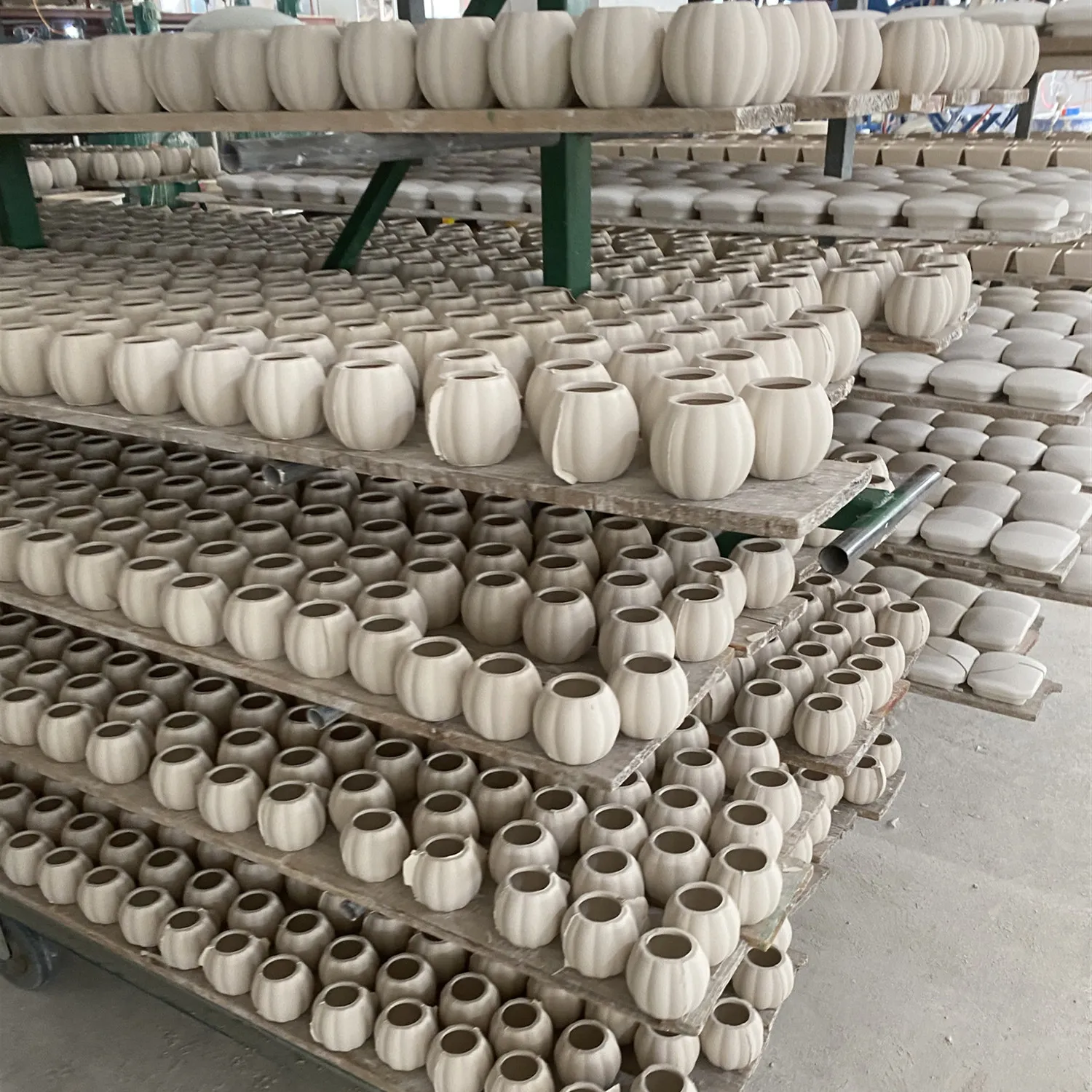
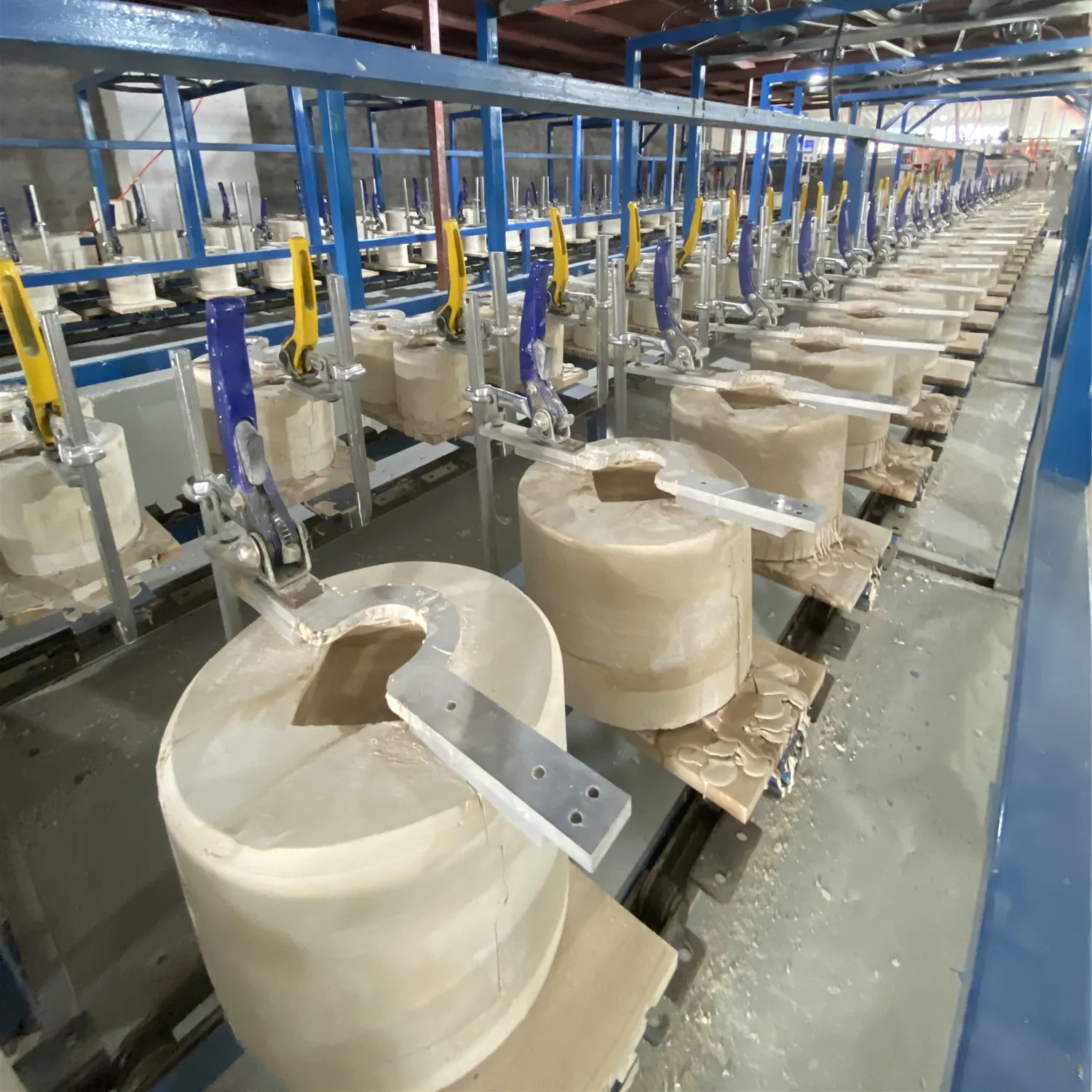
Schlickerguss ist ein weit verbreitetes Formgebungsverfahren in der modernen Keramikindustrie, einschließlich Geschirr, Sanitärkeramik, Industriekeramik und mehr. Verglichen mit der Ein-Maschinen-Produktion, vollautomatische Schlickergussanlagen die Produktionseffizienz zu steigern, eine gleichmäßige Produktion zu gewährleisten und die Produktqualität zu verbessern. Beim Schlickergießen entsteht der Grünling, der anschließend sorgfältig getrocknet und gebrannt werden muss, um die endgültigen Keramikeigenschaften zu erhalten. Alle Prozesse, von der Vorbereitung des Rohmaterials bis zur Endbearbeitung, sind wichtig für die Qualität der fertigen Keramik. Yutai, ein professioneller Hersteller von Keramikmaschinen, untersucht die Schlüsselfaktoren, die die Keramikqualität beim Schlickergießen beeinflussen, und zeigt, wie moderne Maschinen eine stabile, qualitativ hochwertige Produktion unterstützen.
Faktor 1: Zusammensetzung des Gießschlickers und Rohstoffe
Die Zusammensetzung des Schlickers und die Auswahl der Rohstoffe gehören zu den wichtigsten Faktoren, die die Keramikqualität beeinflussen.
- Lehmtyp und Zusatzstoffe: Verschiedene Tone beeinflussen die Plastizität des Grünlings und die Festigkeit nach dem Brennen. Sorgfältig ausgewählte Zusatzstoffe verbessern die Fließfähigkeit, die Formfüllung und die Rissbeständigkeit.
- Konzentration, Viskosität und Feststoffgehalt des Schlamms: Ein zu dünner Schlicker kann tropfen, während ein zu dicker Schlicker die Formfüllung, die Maßhaltigkeit und die Oberflächenglätte beeinträchtigen kann. Eine gleichmäßige Partikelverteilung ist für eine gleichbleibende Qualität unerlässlich.
- Yutai-Lösung: Yutai bietet Aufbereitungssysteme für Schlämme mit intelligentem Mischen, Überwachung des Feststoffgehalts und Durchflussregelung an, um stabile, wiederholbare Schlammeigenschaften zu erhalten und eine qualitativ hochwertige Produktion über mehrere Chargen hinweg zu gewährleisten.
Faktor 2: Formgestaltung und Entformungsprozess
Die Formen bestimmen direkt die Form und die Oberflächenqualität des keramischen Körpers. Ihr Design und ihre Entformungsmethoden sind entscheidend für die Reduzierung von Fehlern.
- Material der Form und Oberflächenbehandlung: Hochpräzise Gipsformen werden häufig für den Schlickerguss verwendet. Sie bieten glatte Oberflächen, Formstabilität und eine lange Lebensdauer.
- Trennmittel und Temperaturkontrolle: Ein angemessenes Feuchtigkeitsmanagement in der Form und eine gute Temperaturkontrolle können den Bedarf an Trennmitteln in Gipsformen reduzieren und gleichzeitig Risse und Verformungen minimieren.
- Fall Yutai: Yutai's Dienstleistungen zur Optimierung von Formen kombinieren Design-Know-how und Prozessführung, um die Oberflächenkonsistenz und die Produktionsstabilität von Charge zu Charge zu verbessern.
Faktor 3: Trocknungs- und Brennprozess
Die Phasen des Trocknens und Brennens sind entscheidend für die endgültige Festigkeit, die Dichte und das Aussehen der Keramikprodukte.
- Trocknungsgeschwindigkeit, Feuchtigkeit und Wandstärke: Eine schnelle Trocknung kann zu Rissen führen, insbesondere bei dickeren Teilen, während eine langsame Trocknung die Produktionseffizienz verringert. Die Aufrechterhaltung einer konstanten Temperatur und Luftfeuchtigkeit bei gleichzeitiger Berücksichtigung der Werkstückdicke ist von entscheidender Bedeutung.
- Brenntemperatur und Einwirkzeit: Präzise Brennkurven sorgen für dichte und feste Keramiken mit optimalen Farb- und Glasureffekten. Jede Material- und Glasurkombination erfordert ein maßgeschneidertes Brennprofil.
- Yutai Vorteil: Yutai bietet automatische Trocknungssysteme und mehrere Keramikbrennofen (Walze, Tunnel, Shuttle) mit präziser Temperatur- und Feuchtigkeitskontrolle, um einheitliche Ergebnisse in allen Produktionslinien zu gewährleisten.
Faktor 4: Automatisierte Kontrollsysteme
Eine gleichbleibende Produktionsqualität hängt nicht nur von den Maschinen selbst ab, sondern auch von intelligenten Steuerungssystemen.
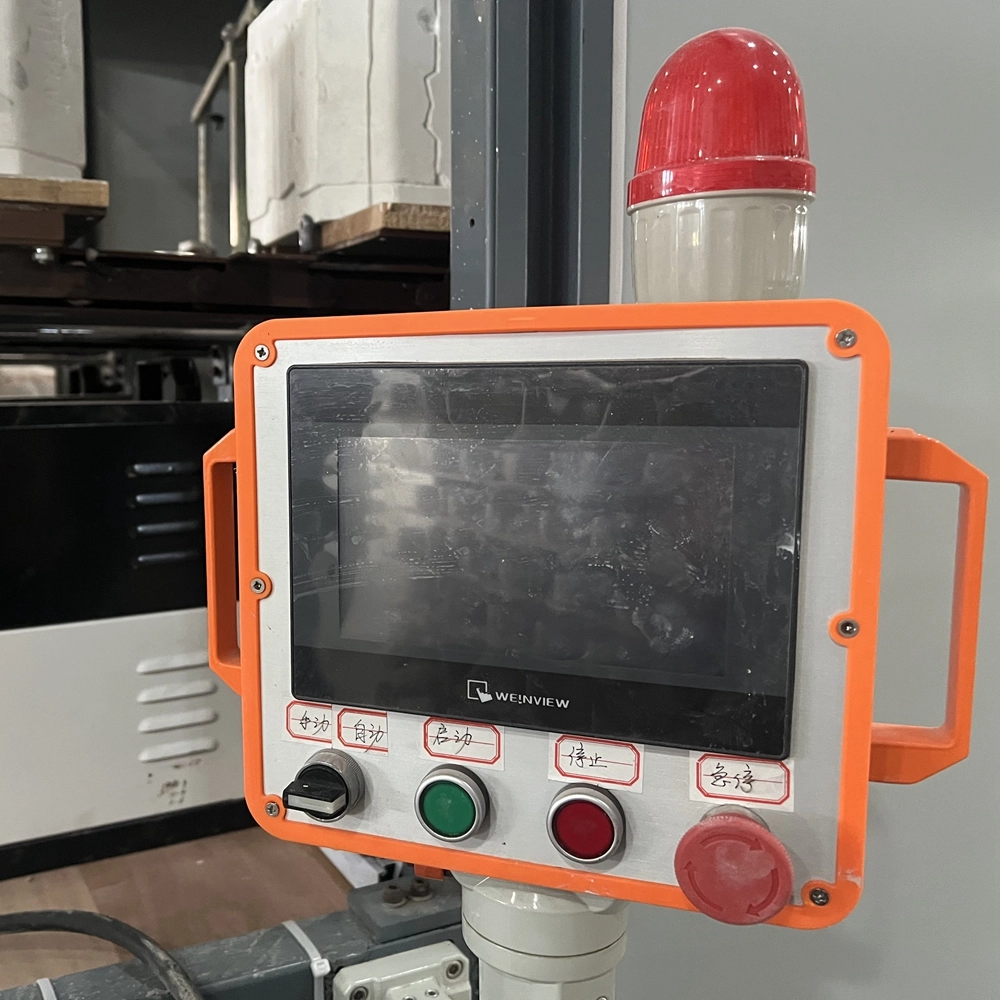
- PLC-Steuerung und Automatisierung: Die zentralisierte Überwachung von Güllefluss, Trocknungsparametern, Ofentemperaturkurven und Umgebungsbedingungen reduziert manuelle Fehler und gewährleistet Konsistenz.
- Datenüberwachung und Prozessoptimierung: Produktionsdaten in Echtzeit ermöglichen schnelle Anpassungen, um die Stabilität und Qualität der Produktion zu gewährleisten.
- Yutai-Lösung: Yutais vollautomatische Schlickergussanlagen integrieren SPS-Steuerung, Datenüberwachung und zentrales Prozessmanagement, verbessern die Effizienz und liefern zuverlässige, wiederholbare Ergebnisse.
Faktor 5: Kontrolle der fertigen Produkte und Qualitätsmanagement
Auch bei optimierten Prozessen ist eine gründliche Kontrolle unerlässlich, um die hohen Qualitätsstandards zu halten.
- Häufige Mängel: Risse, Verwerfungen, Luftblasen, Glasurunvollkommenheiten und Maßabweichungen.
- Inspektionsmethoden: Oberflächeninspektionen, Abmessungsmessungen, Dickenprüfungen und Festigkeitsprüfungen sind Standardverfahren, um die Einhaltung der Vorschriften zu gewährleisten.
- Yutai unterstützen: Integriert Qualitätsüberwachungssysteme die Produktion vom Rohmaterial bis zum Endprodukt zu verfolgen, was die Rückverfolgbarkeit und die konsequente Einhaltung der Spezifikationen ermöglicht.
Schlussfolgerung
Jede Phase des Schlickergusses, von der Schlickeraufbereitung über die Formgestaltung, das Trocknen und Brennen bis hin zur Automatisierung und dem Qualitätsmanagement, hat einen direkten Einfluss auf die Keramikqualität.
Für Unternehmen, die Investitionen in Übersee oder die Modernisierung von Produktionsanlagen planen, ist die Zusammenarbeit mit Yutai Schlickergussmaschinen Angebote:
- Komplette schlüsselfertige Schlickergussanlagen
- Konsistente, hochwertige Produktion
- Geringere Risiken bei Installation und Inbetriebnahme
- Anpassbare Lösungen für verschiedene Keramikprodukte
Kontakt heute, um Ihr schlüsselfertiges Projekt zu besprechen und eine professionelle Bewertung für Ihre Keramikproduktionslinie zu erhalten. Durch die Kombination von fortschrittlichen Maschinen, Automatisierung und Prozess-Know-how, Yutai hilft Keramikherstellern weltweit bei einer effizienten, stabilen und hochwertigen Produktion.